Video advertising is not a trend; it’s a business tool. Video content has been proven to hold viewers’ attention longer than static ads because it engages both visually and emotionally. This is not about aesthetics—it’s measurable performance: higher engagement, stronger brand recall, and better conversion rates.
A well-crafted video can quickly present the problem, the solution, and the results, while reducing purchase uncertainty. Major advertising platforms, such as Meta Platforms and Google, also favor video content because users spend more time engaging with it.
Video advertising is therefore not just a “nice addition,” but a form of communication that captures attention, builds trust, and delivers tangible business results.

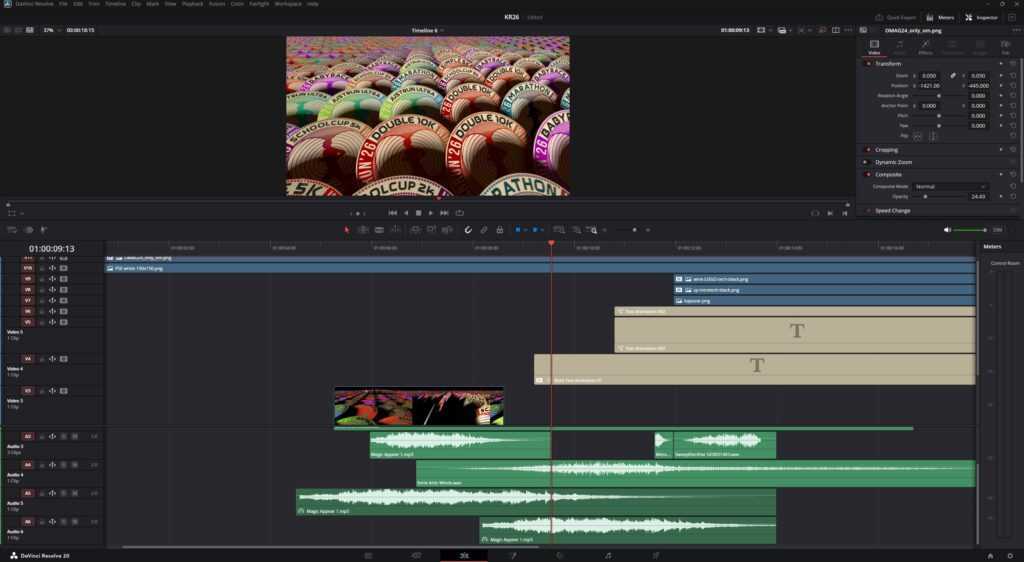
The effectiveness of a video depends not only on the message but also on how well it fits the platform. On YouTube, viewers actively search for content, making longer, 30–120 second videos effective, including educational or product-explainer formats. The standard aspect ratio is 16:9, emphasizing content depth.
On Facebook, attention spans are shorter, so 15–30 second videos with strong visuals in the first seconds perform best. Square or vertical formats work better on mobile.
TikTok is built for vertical, short-form content—typically 10–25 seconds—where fast cuts, dynamic pacing, and immediate messaging are key.
Effective videos are never one-size-fits-all: the format, length, and pace should always align with the platform’s user habits.
A video doesn’t mean just one format—it can take many forms. It can be shot from live footage and refined with editing, pacing, and narration. Alternatively, it can be fully animated, whether simple 2D graphics or detailed, immersive 3D visuals. These approaches can also be combined: live footage can be enhanced with animated elements, explanatory graphics, or visual effects. The choice always depends on the message, the target audience, and the communication goal.