Today, a corporate website is no longer just a digital brochure; it performs complex functions. On one hand, it provides a visual experience and structured content for visitors, helping them understand the brand and resonate with its message. On the other hand, it constantly feeds data to search engines, AI models, and social platforms, enabling visibility optimization and the effective measurement of your digital presence.
A great corporate website is thus a communication tool, a data source, and a strategic platform all at once—serving both the visitor's experience and the company's business goals.
A modern corporate website does more than just provide information; it handles specific tasks that support operations and sales processes. For example, an e-commerce store enables online sales while tracking customer behavior and inventory. Lead generation and mailing list building support sales and marketing efforts, while online registrations, applications, or appointment bookings automate administration.
A website is not merely a "showcase" but an active digital team member that reduces manual tasks, increases efficiency, and allows the company to serve customers and prospects directly and automatically.
The cost of developing a website depends on several factors. A key question is how clear the project goals are: do we know exactly what tasks the website needs to perform, or do we need to define this together first?
The price also depends on whether the necessary content is available. If suitable texts, images, or videos are already at hand, development can be faster, whereas creating or refining these materials requires additional work.
The visual approach is also a major factor: using a ready-made template is a quicker and more cost-effective solution, while a custom design requires more planning. Additionally, the level of search engine and AI optimization needed—which can vary significantly depending on the market segment—also plays a role.
Finally, it is important to consider what tasks you want to assign to the website and whether special plugins or custom developments are required. All of these factors influence the complexity of the project and, consequently, the final cost.
The first important decision to make—together. This choice will impact the long-term operation of your website.
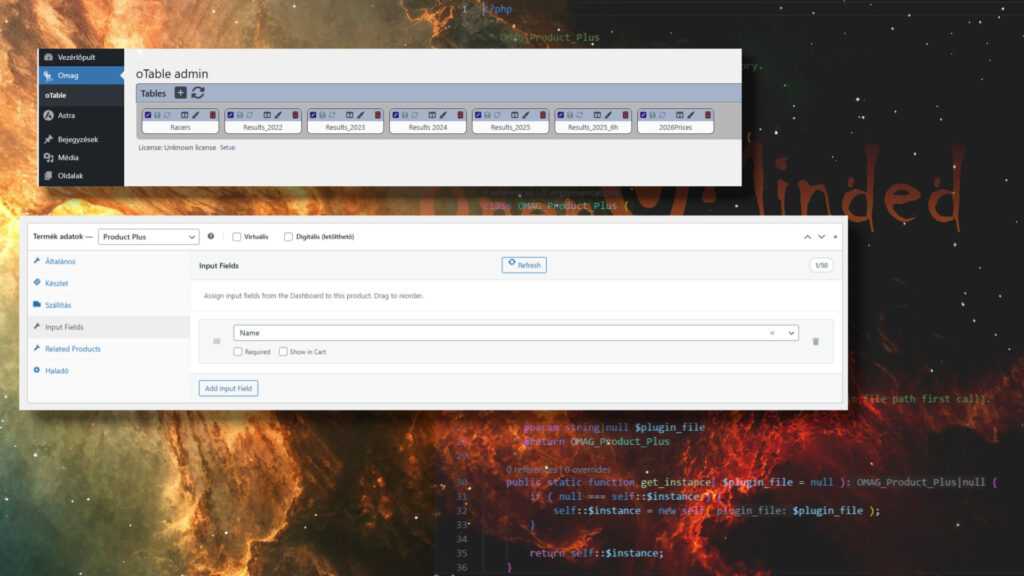
While WordPress itself is free to use, you will certainly need plugins for its operation. These can be free or paid, and in some cases, custom development may be required.